The Making of a Killer: How Pain, Abuse, and War Can Break a Human Being
No one becomes violent in a single moment. A killer is not always born in darkness; sometimes, he is built there piece by piece.
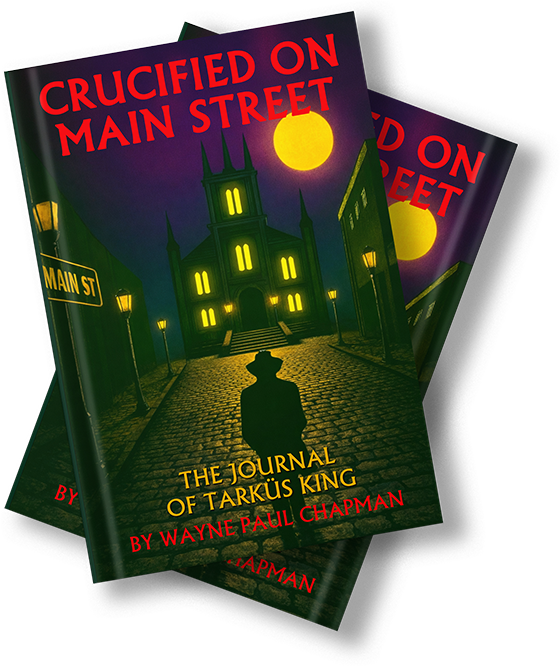
Wayne Paul Chapman is an author who discovered the journal of Tarkus King and brought it to light for the world to experience. The story within Crucified on Main Street was written by Tarkus King in 1982 and reveals harrowing experiences in covert military operations. Wayne Paul Chapman is the individual who found and is now sharing the manuscript with the world. Through this powerful narrative, Chapman has ensured that the story reaches readers, shedding light on the emotional toll of war and the personal transformation Tarkus King underwent.
Chapman’s commitment to authenticity and his unflinching exploration of the darker aspects of war make his works resonate with readers long after they’ve turned the last page. His storytelling reflects the journey toward redemption and survival, making his work both timely and deeply moving.
Crucified on Main Street offers an unparalleled level of authenticity. Told through the journal of Tarkus King, the story reveals a raw and unflinching portrayal of the psychological and emotional toll of war. This is a story that doesn’t gloss over the darkness of war—it dives into it, offering a vivid and real experience.
This book is not just about war—it’s about the battle within. Tarkus King’s journey is one of survival, not only in the physical sense but emotionally and morally as well. As he confronts his past and the atrocities around him, readers are taken on a deep, reflective journey about the cost of human life, the erosion of morality, and the difficult path to redemption.
The characters in Crucified on Main Street are complex and multi-dimensional, making them relatable and human, even in the extreme circumstances. The story brings forward themes of betrayal, identity, and power that will resonate with readers long after they close the book. It’s a powerful exploration of the choices we make when faced with moral dilemmas and how those choices define us.
Crucified on Main Street is a haunting and thought-provoking novel that pulls readers into the dark and twisted realities of covert military operations. Told through the journal of Tarkus King, a soldier caught in a brutal world of violence, betrayal, and moral conflict, this book sheds light on the harsh and often overlooked consequences of war. As Tarkus navigates his survival in both the physical and emotional battles, the story unfolds with gut-wrenching honesty and an unflinching examination of the human soul.
Set against a backdrop of covert military missions, Crucified on Main Street exposes the deeply ingrained trauma that soldiers face while uncovering a web of corruption and covert warfare. King’s journey is not just about fighting for survival—it’s about confronting the moral compromises and emotional scars left by the brutal actions taken in the name of duty. The story explores the complex relationship between self-preservation, the desire for redemption, and the consequences of choices made in the heat of battle.

No one becomes violent in a single moment. A killer is not always born in darkness; sometimes, he is built there piece by piece.


In Crucified On Main Street: The Journal of Tarkus King, Wayne Paul Chapman explores a painful truth that is often ignored: for many soldiers, the war does not end when they leave the battlefield.
When we think of military operations, what often comes to mind are the heroic battles fought on the front lines, the bravery of soldiers defending their country.