
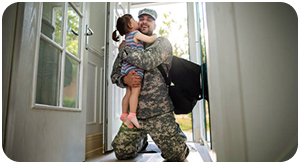
When Soldiers Come Home Changed: The Silent War After the Battlefield
In Crucified On Main Street: The Journal of Tarkus King, Wayne Paul Chapman explores a painful truth that is often ignored: for many soldiers, the war does not end when they leave the battlefield. The guns may become silent, the uniform may be folded away, and the soldier may return home, but something inside them remains trapped in the places they survived. The real battle often begins afterward, in quiet rooms, sleepless nights, broken relationships, and memories that refuse to stay buried.
This is what makes Chapman’s book so powerful. It does not simply show war as a series of missions, explosions, and orders. It shows war as something that follows a person home. It enters the mind, changes the heart, and reshapes the way a soldier sees the world. The battlefield becomes a memory, but the pain becomes a permanent companion.
The Weight Soldiers Carry Home
When a soldier returns home, people often expect relief, happiness, and gratitude. Families imagine that once their loved one is safe, everything will go back to normal. But in Crucified On Main Street, Wayne Paul Chapman reminds readers that “normal” is not easy to return to after witnessing horror. A soldier may come back physically alive but emotionally divided between two worlds.
Tarkus King carries more than injuries and memories. He carries guilt, confusion, and the faces of people he could not save. He carries the silence of things he cannot explain to ordinary people. How can someone describe the smell of death, the fear of being hunted, or the pain of watching innocence destroyed? Words often fail, and when words fail, silence takes over.
That silence becomes dangerous. It separates the soldier from everyone around him. People ask simple questions like “Are you okay?” but the answer is too heavy to speak. So the soldier says, “I’m fine,” even when the war is still raging inside.
Guilt Becomes Its Own Battlefield
One of the most emotional parts of Chapman’s storytelling is the way guilt follows the character. In combat, soldiers are trained to survive, obey orders, and keep moving. But the human heart does not always obey military training. A moment that seems small in the field can later become unforgettable. A face, a photograph, a last word, or a body left behind can return again and again in the mind.
In Crucified On Main Street, the soldier is not only haunted by what others did. He is also haunted by what he did, what he failed to do, and what he wishes he could change. That is one of the cruelest parts of trauma. It does not always ask fair questions. It asks impossible ones. Why did I live? Why did they die? Could I have done more? Am I still human after everything I have seen?
These questions do not disappear after returning home. They grow louder in the quiet. On the battlefield, there is movement, danger, and purpose. At home, there is stillness, and in that stillness, memory becomes louder than gunfire.
Coming Home to a World That Feels Foreign
For soldiers changed by war, home can feel unfamiliar. The people may be the same, the streets may look the same, and the bed may be softer than anything they had in combat, but the soldier is not the same person who left. This emotional distance is one of the strongest themes connected to Chapman’s work.
In Crucified On Main Street, Wayne Paul Chapman shows that war changes how a person reacts to everyday life. Ordinary problems may feel meaningless compared to what the soldier has witnessed. Crowded rooms may feel unsafe. Sudden noises may bring panic. Love may feel risky. Peace may feel uncomfortable because the body has become trained to expect danger.
This is the silent war after the battlefield: trying to live in a world that no longer feels real. People may surround the soldier, yet feel completely alone. Others may see a survivor, but inside, the soldier may feel like a stranger wearing his own face.
Trauma Hides Behind Strength
Society often teaches soldiers to be strong, controlled, and fearless. But Chapman’s book challenges that image. True strength is not the absence of pain. Sometimes, strength is simply breathing while carrying memories that would break most people.
The tragedy is that many soldiers hide their suffering because they believe pain makes them weak. They may fear judgment, rejection, or misunderstanding. They may believe no one can truly understand what happened. As a result, trauma becomes buried under anger, addiction, isolation, or emotional numbness.
In Crucified On Main Street, the damage is not clean or simple. It is messy, personal, and deeply human. Wayne Paul Chapman does not present trauma as something that can be solved in a single conversation or with a single apology. He presents it as a long struggle between survival and self-destruction, between guilt and redemption, between the person someone was and the person war forced them to become.
The Need to Be Seen and Understood
At its heart, this topic is not only about soldiers. It is about the human need to be seen. Soldiers who come home changed do not always need perfect answers. Often, they need someone willing to listen without rushing to judge, fix, or compare their pain. They need patience. They need compassion. They need space to speak when they are ready.
Wayne Paul Chapman’s Crucified On Main Street: The Journal of Tarkus King invites readers to look beyond the uniform and see the wounded person beneath it. It asks us to understand that survival is not the same as healing. A soldier can escape the battlefield and remain trapped in the war.
The War After the War
The most haunting truth is this: some soldiers fight their hardest battles after coming home. They fight memories. They fight guilt. They fight the feeling that they no longer belong anywhere. They fight the fear that the worst parts of war have followed them into their own hearts.
Through Crucified On Main Street, Wayne Paul Chapman gives readers a powerful reminder that the end of combat is not always the end of suffering. The battlefield may be far away, but for those who return changed, the war continues in silence. And sometimes, the bravest thing a soldier can do is not survive the battlefield—it is to face the life waiting afterward.
