
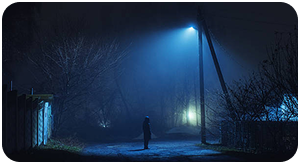
The Making of a Killer: How Pain, Abuse, and War Can Break a Human Being
No one becomes violent in a single moment. A killer is not always born in darkness; sometimes, he is built there piece by piece. In Crucified On Main Street: The Journal of Tarkus King, Wayne Paul Chapman explores this painful truth through a story that is raw, disturbing, emotional, and deeply human. The book does not simply ask what a man has done. It asks what was done to him long before he ever became dangerous.
At the center of the story is a broken human being shaped by childhood abuse, isolation, betrayal, and war. His violence does not appear out of nowhere. It grows from wounds that were never treated, cries that were never answered, and a world that repeatedly taught him that pain was normal. As a child, he learns that safety is an illusion. The adults who should protect him fail him. The institutions that should offer comfort become part of his suffering. In that kind of childhood, innocence does not disappear quietly. It is taken.
The Damage of Being Unseen
One of the most haunting ideas in Wayne Paul Chapman’s book is the emotional death that happens before physical violence ever begins. A child who is abused and ignored often learns to survive by separating from himself. He becomes numb. He watches his own life as if it were happening to someone else. This emotional distance may protect him for a while, but it also creates emptiness.
When pain is not acknowledged, it turns inward. When fear has no safe place to go, it becomes anger. When a child is punished for speaking, he learns to be silent. Over time, silence becomes resentment, and resentment becomes a hunger to strike back. The tragedy is that the child does not simply lose trust in people; he loses trust in life itself.
In Crucified On Main Street, this is where violence begins. The character is not excused, but he is explained. Chapman shows how abuse can twist a person’s understanding of love, justice, and power. If the world only gives cruelty, cruelty can begin to feel like the only language that makes sense.
When the Military Gives Pain a Purpose
War enters the story not as a beginning, but as an accelerator. The military does not create the character’s pain, but it gives that pain structure, discipline, and direction. For someone already filled with rage, military conditioning can feel like a purpose. It teaches control, endurance, obedience, and survival. It also teaches how to kill.
This is one of the darkest questions raised by Wayne Paul Chapman’s book: what happens when a damaged person is trained to become efficient at violence? A wounded child may grow into a dangerous man, but a wounded child trained by war can become something even more frightening. He no longer acts only from emotion. He acts with skill.
Military training can turn fear into focus. It can turn instinct into technique. It can turn hesitation into action. For a healthy mind, discipline may create strength. For a shattered mind, it may sharpen the very thing that should have been healed. In Crucified On Main Street, the battlefield becomes a place where buried rage finds permission to exist.
War Changes the Meaning of Human Life
The book also shows how war slowly destroys moral boundaries. At first, violence shocks the soul. Then it becomes familiar. Then it becomes routine. A soldier may begin by believing he is fighting evil, but after enough blood, bodies, and fear, the difference between justice and revenge begins to blur.
Wayne Paul Chapman presents war as more than physical combat. It is psychological corrosion. Soldiers are not only fighting enemies; they are fighting the collapse of their own humanity. Every horrific scene forces them to adapt. Every adaptation costs them something. What once would have broken them becomes something they step over because survival demands movement.
This is how people change in war. Not all at once, but gradually. A person learns to look away. Then he learns not to feel. Then he learns to act before thinking. In that space, violence becomes easier—not because it is natural, but because the mind has been trained to survive the unbearable.
The Thin Line Between Victim and Monster
What makes Crucified On Main Street so compelling is that it does not present its central figure as simply evil. He is terrifying because he is understandable. The reader sees the abused child, the abandoned boy, the trained soldier, and the violent man as parts of the same life. That does not erase responsibility. It makes responsibility more painful.
A victim can become a monster. A monster can still carry memories of being a victim. This uncomfortable truth is what gives the story its emotional weight. Chapman forces readers to sit with the idea that violence often arises from a chain of failures: family, institutional, social, and moral.
Can a Broken Human Being Come Back?
The most powerful question is not only how a killer is made, but also whether such a person can ever be saved. If pain built him, can love rebuild him? If war taught him to kill, can remorse teach him to feel again? Crucified on Main Street does not offer simple comfort? Instead, it suggests that, if it comes, redemption must pass through truth.
Wayne Paul Chapman’s work is gripping because it looks directly at the human cost of abuse and war. It reminds us that violence is never just an act; it is often the result of a long history of damage. The making of a killer is not only a story about one man’s darkness. It is a warning about what happens when suffering is ignored, when wounded children are abandoned, and when broken people are handed weapons instead of healing.
